
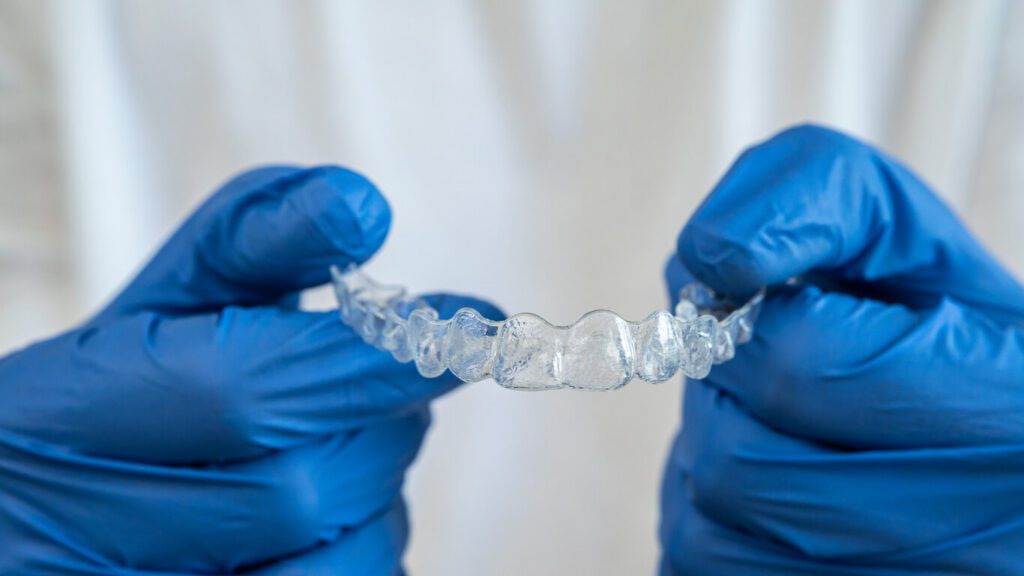
If you wear Invisalign retainers, you already know they do quiet, important work. They sit there day after day, keeping your teeth from drifting back to old positions, protecting the investment you made in your smile. But because they’re clear, it’s easy to forget they’re not magically self-cleaning. Retainers collect plaque, bacteria, dried saliva, and odor the same way a coffee mug develops a ring if you keep topping it off without washing it.
That means learning how to clean Invisalign retainers is not just about appearance. It’s about oral hygiene, comfort, and making sure your retainers stay clear instead of turning cloudy, yellowish, or sour-smelling. A clean retainer feels better, looks better, and helps support the healthy mouth you worked hard to achieve.
At Kissimmee Family Dentistry, we believe dental care works best when patients understand the “why” behind the routine. Cleaning your retainers properly doesn’t need to be complicated, but it does need to be consistent. This guide walks you through what to do daily, what to avoid, and when it may be time to have your retainers professionally evaluated.
Why It’s Important to Clean Invisalign Retainers Every Day
Invisalign retainers sit closely against your teeth for hours at a time. That snug fit is part of what makes them effective, but it also creates a perfect little environment for buildup. Saliva proteins, plaque, food residue, and bacteria can cling to the surface, especially if you put your retainers back in after eating or drinking anything other than water.
If retainers are not cleaned regularly, the result is usually pretty obvious. They can start to smell stale, look cloudy, or develop a film that doesn’t rinse away. Less obvious, but just as important, is the effect on your oral health. Dirty retainers can reintroduce bacteria to your teeth and gums over and over again. It’s a little like washing your face and then drying it with a towel you haven’t cleaned in two weeks.
Daily cleaning also helps preserve the material itself. Invisalign retainers are durable, but they’re not indestructible. Using the wrong products or letting buildup harden on the surface can shorten their lifespan and make them less comfortable to wear.
For patients in Kissimmee, where heat and humidity can already make things feel sticky and less fresh, keeping retainers clean becomes even more important. A retainer left in a warm car or tucked into a napkin after lunch can go from clear to questionable very quickly.
What Are Invisalign Retainers Made Of?
Invisalign retainers are typically made from a clear thermoplastic material designed to be smooth, discreet, and strong enough to hold tooth position. They’re engineered for precision, which is why they fit so closely and why improper cleaning can damage them faster than many people realize.
Because the material is clear, it shows wear in a way metal or acrylic appliances do not. Even a thin layer of mineral deposits or plaque can make them look dull. Hot water can warp them. Abrasive toothpaste can scratch them. Strongly colored mouthwashes can leave behind tint. In other words, these retainers are practical, but they’re not the kind of thing you can scrub like a casserole dish.
That’s why proper cleaning matters so much. The goal is to remove bacteria and buildup without damaging the smooth surface that keeps the retainer comfortable and nearly invisible.
The Best Daily Routine for Cleaning Invisalign Retainers
The best way to clean Invisalign retainers is to make it part of your daily rhythm, not an occasional rescue mission. A simple routine done consistently works better than waiting until your retainers smell odd and then trying to deep-clean them in a panic.
Start by rinsing your retainers with lukewarm water every time you remove them. This helps wash away saliva and prevents residue from drying onto the surface. If you let saliva dry, it can leave a film that becomes harder to remove later.
Next, gently brush the retainers using a soft-bristled toothbrush and a clear, gentle cleanser. Some people use mild clear liquid soap. Others use cleaning crystals or retainer-safe cleaning products recommended by their dentist. The key is to avoid anything abrasive. Brush softly, paying attention to the inner and outer surfaces.
After brushing, rinse thoroughly before placing them back in your mouth. You don’t want soap or cleaning solution lingering on the appliance. While the retainers are out, it’s also smart to brush and floss your teeth. Putting a clean retainer over unbrushed teeth traps whatever is sitting there, which defeats the whole point.
This simple process only takes a few minutes, but it helps keep the retainers clear, fresh, and comfortable.
Step-by-Step: How to Clean Invisalign Retainers Properly
If you want a straightforward process, here’s the most reliable method for everyday care. It’s simple, gentle, and effective.
First, wash your hands before handling your retainers. It sounds basic, but it matters. If your hands have lotion, food residue, or dirt on them, that transfers directly onto the appliance.
Second, remove the retainers carefully and rinse them under lukewarm water. Never use hot water. Heat can distort the plastic, and even slight warping can affect fit.
Third, use a soft toothbrush with a gentle cleaning agent. A clear antibacterial soap is often a safe choice, as long as it’s mild and rinsed thoroughly. Brush the retainers gently inside and out. Don’t saw at them like you’re trying to remove grout. Think more along the lines of polishing eyeglasses.
Fourth, rinse again until the retainers feel completely clean and free of residue. Then store them in a clean retainer case if you’re not wearing them right away.
Finally, clean the case too. A lot of people do a decent job cleaning the retainer and then place it into a case that smells like the bottom of a gym bag. Wash the case daily with soap and water and let it dry fully.
Can You Use Toothpaste to Clean Invisalign Retainers?
This is one of the most common questions patients ask, and the short answer is: usually, it’s better not to. Many toothpastes contain abrasive ingredients designed to polish teeth. That works well for enamel, but it can scratch clear retainer material.
Once scratched, retainers can become dull and more likely to trap bacteria and stains. The surface may still look “clean enough” at first, but over time those tiny scratches create a rougher texture. It’s like the difference between wiping down a glass tabletop and trying to clean a scratched plastic container that always seems to hold onto grease.
If your dentist specifically recommends a non-abrasive toothpaste, that may be acceptable in some cases. But in general, a mild clear soap or a cleaner made specifically for clear aligners and retainers is a safer bet.
If you’ve been using toothpaste and your retainers are starting to look cloudy, that may be part of the reason. It doesn’t mean they’re ruined, but it does mean it’s time to switch to a gentler routine.
What Cleaning Products Are Safe for Invisalign Retainers?
Safe cleaning products for Invisalign retainers typically include:
- Mild clear liquid soap
- Invisalign cleaning crystals
- Retainer or aligner cleaning tablets
- Dentist-approved cleaning solutions for clear appliances
These options are designed to remove buildup without scratching or warping the plastic. They can also help reduce odor, which is useful if your retainers have started to smell a little off despite regular brushing.
When using soaking tablets or crystals, follow the product instructions closely. Soaking too long or too often with harsh products can sometimes affect the material. A gentle daily clean plus occasional deeper soaking is usually enough for most people.
If you’re unsure what product is right for your specific retainer, ask your dentist. At Kissimmee Family Dentistry, we’d always rather answer a quick question than see a patient damage a retainer with a DIY shortcut they found online.
What Not to Use on Invisalign Retainers
Just as important as knowing what to use is knowing what to avoid. Some cleaning methods sound harmless but can do real damage.
Do not use hot or boiling water. This is probably the biggest mistake people make when they’re trying to “sanitize” their retainers. Heat can warp the plastic, and once the fit changes, the retainer may no longer do its job properly.
Do not use bleach, alcohol-based cleaners, or harsh household disinfectants. These products are too aggressive and are not meant for something that sits in your mouth for hours.
Do not use colored soaps or mouthwashes unless your dentist says they’re safe. Some products can stain the clear material, leaving retainers with a tinted or cloudy look.
And do not wrap retainers in a napkin during meals. This is less about cleaning and more about survival. More retainers disappear into restaurant trash cans this way than most people would guess. One minute you’re halfway through lunch, the next your retainer is gone like a french fry at a seagull convention.
How to Remove Yellowing, Odor, and Cloudiness
Even with a good routine, retainers can sometimes develop yellowing, odor, or a cloudy appearance. This usually means there’s hardened buildup or the material has been exposed to staining agents like coffee, tea, soda, or smoking.
A good first step is soaking the retainers in a dentist-approved retainer cleaner or Invisalign cleaning crystals. This can help break up deposits that brushing alone may not remove. After soaking, brush gently with a soft toothbrush and rinse thoroughly.
If the odor lingers, check whether the issue is actually the case. Retainer cases can trap moisture and bacteria, especially if they’re closed while still wet. Cleaning and drying the case daily can make a surprising difference.
If your retainers remain cloudy or yellow despite proper care, the material may be worn or permanently stained. At that point, professional evaluation is worth it. Sometimes the issue is cosmetic. Sometimes it’s a sign the retainer needs replacement.
How Often Should You Deep Clean Invisalign Retainers?
A light cleaning should happen every day, but a deeper clean is helpful several times a week or as recommended by your dentist. If you drink coffee often, wear your retainers for long stretches, or notice buildup developing quickly, deep cleaning may need to happen more frequently.
Deep cleaning usually means soaking the retainers in a retainer-safe cleaning solution for the recommended amount of time, then brushing gently and rinsing well. This helps dissolve deposits that don’t come off with a quick daily clean.
Think of it like laundry. Wearing a shirt once may not require heavy-duty treatment, but if you keep cycling the same item through heat, sweat, and daily use, it eventually needs more than a quick rinse. Retainers are no different.
Tips to Keep Your Invisalign Retainers Clean Longer
The easiest way to keep retainers clean is to prevent buildup before it starts. Small habits make a big difference here.
Always remove your retainers before eating. Food can crack, stain, or coat them, and chewing with them in place can damage the material. Drink only water while wearing them unless your dentist tells you otherwise.
Brush your teeth before putting your retainers back in. If you can’t brush right away, at least rinse your mouth and the retainers with water until you can clean both properly. This is especially important after coffee, juice, sports drinks, or anything sugary.
Store retainers in their case whenever they’re not in your mouth. Leaving them on a counter exposes them to bacteria, dust, and accidental damage. Pets also seem to find retainers weirdly irresistible.
And finally, stick to your follow-up visits. A retainer that no longer fits properly or has visible wear may need more than cleaning. It may need replacement.
When to Call Your Dentist About Your Retainers
Sometimes cleaning isn’t enough. If your Invisalign retainers smell bad no matter what you do, look permanently cloudy, feel rough, crack, or stop fitting correctly, it’s time to contact your dentist.
A poor fit is especially important. Retainers are supposed to maintain alignment. If they’re warped or loose, they may not be protecting your smile the way they should. Waiting too long can allow subtle tooth movement, and that can turn into a much bigger issue than a simple cleaning question.
If you live in Kissimmee and need guidance, the team at Kissimmee Family Dentistry can help evaluate whether your retainer just needs a better cleaning routine or whether it’s time for a replacement. We take a personal, solution-focused approach, and that includes helping patients protect the results of previous orthodontic treatment.
Final Thoughts on How to Clean Invisalign Retainers
Learning how to clean Invisalign retainers the right way is one of those small habits that pays off every single day. Clean retainers are more comfortable, less noticeable, better smelling, and better for your oral health. More importantly, they help preserve the smile you worked to achieve.
The best approach is simple: rinse them often, clean them gently every day, avoid harsh products, and deep clean them regularly. Don’t wait until they look foggy or smell strange. By then, buildup has already settled in.
If you have questions about retainer care, need help with replacement retainers, or are looking for a trusted dental home in Kissimmee, Kissimmee Family Dentistry is here to help. Our team is committed to comprehensive care that feels clear, calm, and personal—because great dentistry should never feel rushed, and neither should your questions about protecting your smile.