
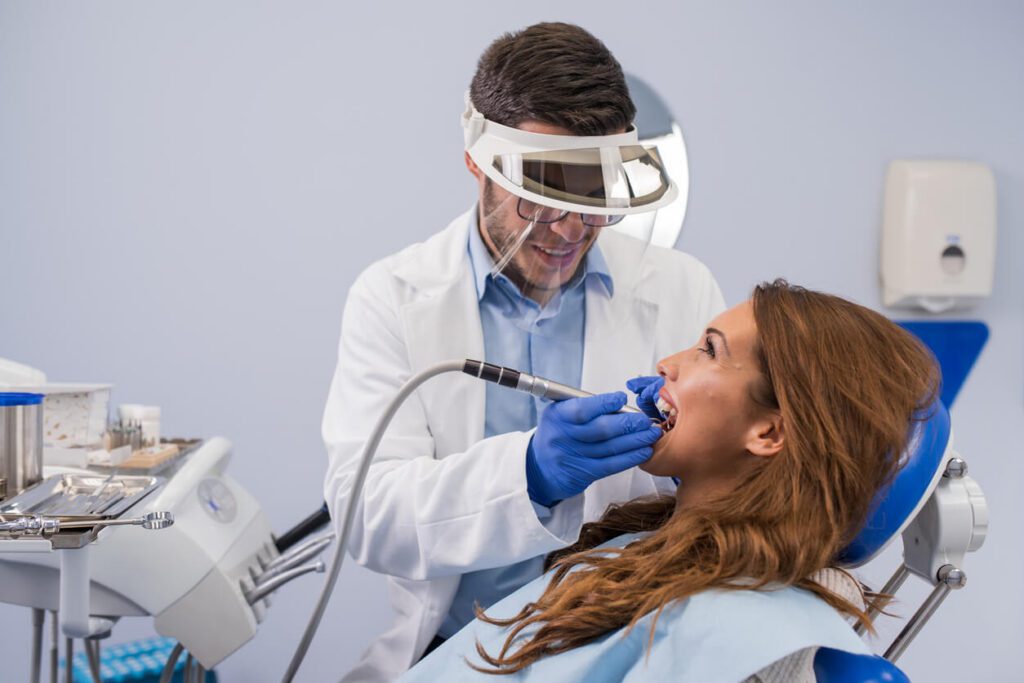
A bright, confident smile can change the way people see you and the way you feel about yourself. Cosmetic dentistry works to make your teeth and smile look their best by correcting imperfections such as chips, stains, or uneven teeth. Options like teeth whitening, veneers, and dental implants can improve crooked, misaligned, or damaged teeth.
Whether you want a subtle change or a complete smile makeover, understanding your choices makes it easier to decide. This guide explains popular cosmetic dental procedures, how they differ from regular dental care, and how to pick the right plan for your smile.
What Are Cosmetic Dental Treatments?
Cosmetic dental treatments help improve the appearance of your teeth and gums, giving you a healthier, more confident smile. They can change the color, shape, alignment, or spacing of your teeth to make your smile look natural and attractive. These procedures can fix issues like discoloration, chips, cracks, gaps, or missing teeth, helping you feel more confident in how your smile looks.
Difference Between Cosmetic and General Dentistry
While both types of dentistry aim to improve your teeth, their goals and approaches differ. The table below highlights the key differences between general dentistry and cosmetic dentistry:
| Aspect | General Dentistry | Cosmetic Dentistry |
| Primary Focus | Maintaining overall oral health, preventing disease, treating cavities and gum issues | Enhancing the appearance of teeth, gums, and smile |
| Common Goals | Prevent tooth decay, treat gum disease, restore function | Improve color, shape, alignment, and spacing of teeth for a natural, attractive smile |
| Purpose | Functional health and comfort | Aesthetic improvement and self-confidence |
| Overlap | Some treatments, like tooth-colored fillings or crowns, serve both function and appearance | Focused on visible results, often complementing oral health |
| Patient Priority | Essential dental care for healthy teeth and gums | Optional treatments to enhance smile aesthetics |
Most Popular Cosmetic Dental Procedures
Here’s a closer look at some of the most popular cosmetic dental procedures and how they can transform your smile:
Teeth Whitening
Professional whitening or teeth bleaching treatments brighten discolored teeth and remove stains from coffee, tea, or smoking. Dentists may use whitening gel, in-office procedures, or professional-strength whitening toothpaste for faster, more noticeable results. Whitening can give your teeth a brighter, more youthful appearance, sometimes in just one visit.
Dental Veneers
Thin porcelain or composite veneers are custom-made in a dental laboratory to cover chips, cracks, gaps, or discoloration. Veneers are attached to your teeth to give a smooth, even, and natural-looking smile. They can also correct minor misaligned teeth and improve overall symmetry.
Dental Bonding
In a bonding procedure, dentists apply tooth-colored resin to repair chipped teeth, fill gaps, or reshape misaligned teeth. The composite resin is sculpted directly on the tooth and hardened with a special light. Bonding is minimally invasive and often completed in just one visit, providing immediate improvement in your smile.
Cosmetic Dental Implants
Cosmetic dental implants fill gaps from lost teeth, bringing back a natural look while supporting proper function. Cosmetic dental implants also support healthy bone structure, preventing bone loss and maintaining facial shape while giving you a beautiful, long-lasting smile.
Gum Contouring
This procedure changes the shape of the gum line to create a more even and attractive smile. It can correct a “gummy” appearance or uneven gums. Gum contouring is usually paired with other cosmetic treatments for a complete smile transformation.
Clear Aligners and Traditional Braces
Clear aligners or traditional braces help straighten crooked teeth, buck teeth, or misaligned teeth. Clear aligners are a discreet, non-invasive alternative that gradually shifts teeth without metal brackets, while traditional braces provide more comprehensive correction for complex alignment issues.
Dental Crowns
Porcelain or composite crowns restore damaged teeth, protect weakened enamel, and improve the overall appearance of your smile. Crowns are custom-made for a natural appearance and can cover broken, discolored, or misshapen teeth, creating a uniform look across multiple teeth.
How to Decide If You Need Cosmetic Dental Procedures
Deciding whether to pursue cosmetic dental options involves carefully evaluating your smile, personal goals, and overall oral health. Use the following steps to guide your decisions:
Assess Your Smile
Take a close look at your teeth and gums. Identify areas that bother you, such as discolored teeth, chipped teeth, crooked teeth, misaligned teeth, gaps, or uneven spacing. Consider how these issues affect your confidence and self-esteem.
Consider Your Goals
Think about the changes you want to see. Are you seeking subtle improvements, like a brighter smile, or a more extensive transformation, such as correcting multiple misaligned teeth? Clear goals help guide the choice of treatments.
Evaluate Oral Health
Strong, healthy teeth and gums provide the foundation for effective cosmetic dentistry. Cosmetic procedures achieve the best results when any underlying dental issues, like cavities, gum disease, or bone loss, are treated first.
Consult a Dentist
Meet with a trusted dentist to review your smile goals and available options. They will assess your teeth and gums, explain procedures, and help you choose the treatment that fits your needs.
Consider Procedure Type and Duration
Some treatments, like professional teeth whitening or enamel shaping, can produce noticeable results in just one visit. More extensive procedures, like porcelain veneers, dental bonding, or cosmetic dental implants, may require multiple visits or custom work from a dental laboratory.
Evaluate Cost and Budget
Cosmetic procedures vary in cost depending on complexity and materials used, such as porcelain or composite material. Consider your budget and financing options when planning treatments.
Think About Long-Term Results
Some treatments provide temporary improvements, while others, like veneers or dental implants, offer long-lasting results. Understanding the maintenance required for each procedure helps you choose the most suitable options.
Benefits and Risks of Cosmetic Dental Procedures
Cosmetic dental procedures offer many advantages, but it’s important to understand potential risks before starting treatment.
Benefits
- Brighter, More Attractive Smile: Professional teeth whitening and porcelain veneers can remove stains and imperfections, giving your teeth a brighter, more youthful look.
- Improved Confidence: Being happy with your smile can improve self-confidence and help you feel more at ease in social and work situations.
- Natural-Looking Results: Many cosmetic procedures, including dental bonding, veneers, and implants, are designed to blend with your natural teeth for a realistic, balanced look.
- Support for Oral Health: Some treatments, like cosmetic dental implants, replace missing teeth, maintain jaw alignment, and prevent bone loss. Other procedures can protect weakened or damaged teeth to keep your mouth healthy.
- Quick and Simple Options: Many procedures, such as enamel reshaping or professional whitening, can be done in a single visit with little to no discomfort.
Risks
- Temporary Sensitivity or Discomfort: Some treatments, such as teeth whitening, bonding, or gum contouring, may cause mild sensitivity or soreness for a short time.
- Ongoing Maintenance: Procedures like veneers, dental crowns, or whitening may need regular care, touch-ups, or replacement to keep results looking their best.
- Not Suitable for Everyone: Factors such as enamel strength, gum health, or other dental conditions can affect which cosmetic procedures are safe and effective.
Frequently Asked Questions
If you’re considering cosmetic dental procedures, you probably have questions about comfort, results, and long-term care. The answers below cover common concerns patients often ask before deciding on treatment.
Are Cosmetic Dental Procedures Painful?
Most cosmetic dental procedures are comfortable and minimally invasive. Some treatments, like teeth whitening, bonding, or enamel shaping, may cause minor sensitivity. Any discomfort usually resolves within a few hours or days.
How Long Do Results Last?
Results depend on the type of procedure and your oral habits. Whitening may last several months, while dental veneers, crowns, and cosmetic dental implants can last many years. Proper care and regular dental visits help maintain results for longer.
Is There an Age Limit?
Cosmetic dental procedures are best suited for adults because children’s teeth and jaws are still growing. Treatments work most effectively when teeth and gums are healthy. Dentists review each patient’s mouth carefully to suggest the options that will give the best results.
Can Multiple Procedures Be Done at Once?
Many cosmetic procedures can be combined in a treatment plan. Your dentist can design a plan that addresses multiple concerns efficiently. This approach often improves both appearance and overall oral health.
Let’s Create Your Signature Smile: Schedule Today
Cosmetic dental procedures can make your smile look better, boost your confidence, and support your oral health. Treatments like teeth whitening, veneers, and implants can fix crooked, chipped, or missing teeth. At Kissimmee Family Dentistry, our cosmetic dentists will help you choose the right options and create a plan that fits your goals.
Whether you want a quick smile refresh or a full makeover, a professional checkup can help you decide the best approach. Book a consultation today to see how our team can help you achieve a natural, healthy, and beautiful smile.