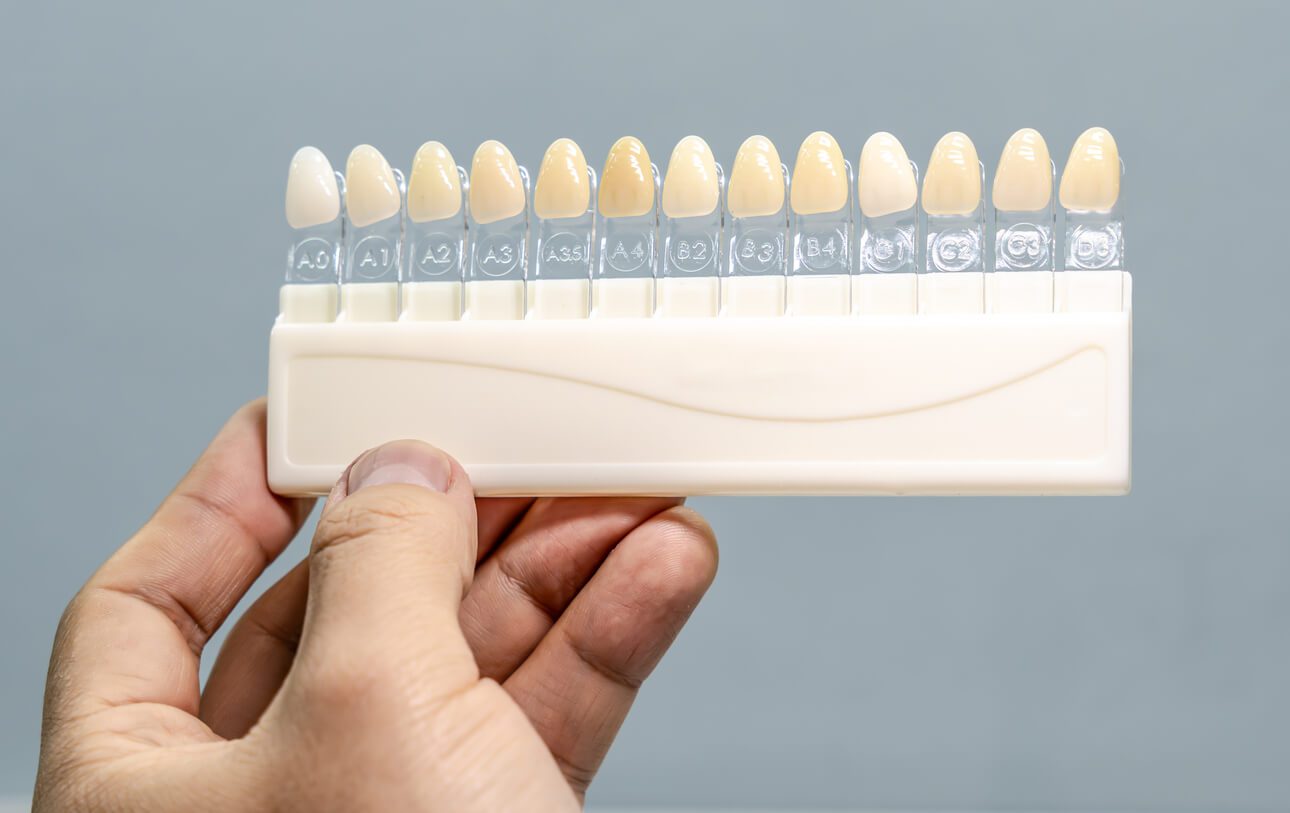
Craving a brighter smile from the comfort of your home? At-home teeth whitening can boost confidence and enhance your smile. Let’s uncover why teeth lose their shine and how simple whitening methods can transform your look.
Explore popular at-home solutions and natural remedies, weighing the pros and cons. We’ll compare these options to professional treatments and provide simple tips to maintain your glowing smile. Get ready to enjoy radiant teeth as we explore this journey together!
Causes of Teeth Discoloration
Grasping why teeth lose their luster is key to addressing the problem. Let’s explore common causes of discoloration:
- Beverages: Regularly drinking tea, coffee, and red wine can lead to staining. These beverages contain compounds that slowly penetrate the enamel, leaving your teeth looking dull over time.
- Smoking: Tobacco products are known for causing yellow stains. The nicotine and tar build up on your teeth, gradually diminishing their natural brightness and shine.
- Dental Habits: Not brushing and flossing regularly lets plaque turn into tartar, causing tough stains that standard cleaning can’t easily remove.
- Foods: Certain foods, like berries, curry, and tomato sauces, have strong pigments that latch onto your teeth. They cause visible stains, especially if consumed frequently.
- Aging: As we age, the outer part of enamel thins, revealing the yellowish dentin beneath. This natural process leads to a darker and less vibrant appearance of teeth.
- Medications: Some antibiotics and medications taken during childhood can lead to permanent darkening of teeth. It’s essential to understand the side effects of medicines related to tooth color changes.
- Decay: Cavities result in discolored spots where the tooth surface is compromised. This can make stains more pronounced and affect the overall appearance of your smile.
Why Consider Whitening Your Teeth?
Whitening your teeth offers numerous advantages that reach far beyond just enhancing your looks. Here’s why it’s worth considering:
- Brighter Smile: A brighter smile can enhance your appearance, offering a fresher and more youthful look.
- Boosted Confidence: When you’re confident in your smile, it naturally boosts your self-esteem, making you more comfortable in social situations and interactions.
- Enhanced Appearance: Whiter teeth often give you a more polished, put-together look, influencing how others perceive you, both personally and professionally.
- Professional Impact: A bright smile can enhance your first impression, particularly in professional settings where confidence and appearance matter.
- Positive Oral Health: Whitening treatments often encourage better oral hygiene practices. People who whiten their teeth tend to be more committed to maintaining their oral health.
- Motivation for Better Habits: Seeing your teeth looking their best can motivate you to avoid foods and habits that could lead to discoloration, promoting overall dental health.
Popular At-Home Teeth Whitening Solutions
Achieving a brighter smile at home is convenient with various options available. Let’s explore some of the best teeth whitening at-home solutions:
Whitening Toothpaste and Rinses
These products freshen your breath while targeting surface stains that build up over time. They easily integrate into your daily routine, requiring only regular brushing and rinsing. Over weeks, consistent use can lead to a noticeably brighter smile, making it a simple choice for steady improvement.
Whitening Strips and Trays
These options are user-friendly and provide noticeable results in a relatively short time. Products mold to your teeth, providing even coverage and effective whitening. Typically worn for around 30 minutes daily, they offer a focused approach by directly targeting stubborn stains.
Whitening Gels and Pens
Gels and pens are ideal for those who need convenient touch-ups or wish to carry a portable solution. They often contain strong ingredients like carbamide peroxide for targeted whitening. Easy to apply directly to teeth, their quick application makes them perfect for maintaining your smile wherever you go.
At-Home Natural Teeth Whitening Remedies
If you prefer natural methods, consider these effective at-home options:
Baking Soda
Baking soda acts as a gentle abrasive, helping lift surface stains from teeth. Mix a little with water to form a paste, then brush for gradual whitening. Consistent use, a few times a week, can lead to noticeable results over time.
Oil Pulling with Coconut Oil
This old practice involves swishing coconut oil around in your mouth for about 15-20 minutes. It’s believed to help remove bacteria and reduce plaque that causes yellowing. While results may vary, many find that it leaves their teeth feeling cleaner and their breath fresher.
Apple Cider Vinegar
Known for its natural bleaching properties, apple cider vinegar can be used sparingly as a teeth whitening rinse. Dilute it with water and swish gently to avoid enamel erosion. Use this remedy occasionally to maintain tooth health while enjoying gradual whitening.
Pros and Cons of At-Home Whitening
At-home teeth whitening offers several advantages, but it also comes with some drawbacks. Let’s explore both sides:
Pros
- Affordable: At-home whitening solutions are often more budget-friendly compared to professional treatments at a dental office. They provide a cost-effective way to achieve a whiter smile without breaking the bank.
- Convenient: You can whiten your teeth from the comfort of your own home, fitting the process into your schedule. This convenience means you can maintain your routine without needing to set up appointments.
- Variety and Flexibility: Over-the-counter kits offer options like strips, gels, and pens, letting you pick what suits your needs. Select choices that align with your lifestyle and preferences.
Cons
- Variable Results: The effectiveness of at-home whitening can differ from person to person. Factors like tooth condition and consistency of use can impact the final outcome, making results unpredictable.
- Potential Sensitivity: Some people experience tooth sensitivity or discomfort during the whitening process. Sensitivity may stem from the ingredients used and might require adjustment in frequency or method.
- Enamel Risks: If used improperly, some products may cause enamel damage over time. Follow instructions carefully to avoid potential harm to your teeth.
Comparing At-Home Versus Professional Treatments
When deciding between at-home and professional teeth whitening, it’s important to weigh the benefits and limitations of each.
|
Aspect |
At-Home Whitening |
Professional Whitening |
|
Effectiveness |
Suitable for minor stains with gradual improvement. |
Delivers quicker, more dramatic results for heavily stained teeth. |
|
Convenience |
Can be done at your own pace at home, fitting your schedule. |
Requires appointments at a dental office, but provides expert care. |
|
Cost |
Generally more affordable with a variety of over-the-counter options. |
More expensive, reflecting advanced technology and personalized treatment. |
|
Comfort |
May cause sensitivity or discomfort in some users. |
Tailored to minimize discomfort with options for sensitive teeth. |
|
Techniques |
Uses products like strips, gels, and pens. |
Often involves LED light and higher concentrations of whitening agents. |
|
Duration |
Requires consistent use over weeks for best results. |
Typically completed in a single or few visits for immediate results. |
Always consult with a trusted dentist before starting any teeth whitening regimen. They can provide advice and confirm the whitening method you select is effective and safe for your specific needs.
Maintaining Your Whiter Smile
To maintain a bright and radiant smile, try adding these effective methods to your daily routine:
- Avoid Staining Foods and Beverages: Reduce your tea, coffee, and red wine consumption since they can cause stubborn stains. If you do enjoy them, use a straw or rinse with water afterward to lessen contact with your teeth.
- Consistent Oral Hygiene: Brushing your teeth at least two times a day with a whitening toothpaste lifts surface stains. Remember to floss regularly to remove plaque and food particles between teeth.
- Regular Dental Cleanings: Schedule professional cleanings at least twice a year to remove deep stains and maintain oral health. These visits allow your trusted dentist to assess your overall dental condition.
- Occasional Touch-Ups: For occasional touch-ups, use a preferred whitening kit or pen to maintain your smile’s brightness between professional treatments. This keeps your smile looking fresh.
- Healthy Diet Choices: Incorporate plenty of crunchy fruits and vegetables like pears, apples and carrots, which can help clean teeth naturally and promote oral health.
- Stay Hydrated: Drinking water helps wash away particles and acids from foods and drinks, reducing potential stains and promoting saliva production for natural cleaning.
Frequently Asked Questions
When considering at-home teeth whitening, you might have a few questions in mind. Here are some common inquiries to help guide your decision:
How Long Does At-Home Whitening Last?
The duration of at-home whitening results varies with personal habits and product choice. Typically, effects last from a few weeks to several months. Maintaining good dental hygiene and steering clear of stain-causing foods and drinks can help extend these results significantly.
Is It Safe for Sensitive Teeth?
Many at-home whitening kits are designed with sensitivity in mind. However, some products may cause temporary discomfort. It’s best to start with a lower concentration and gradually increase, or choose products specifically formulated for sensitive teeth.
Freshen Up Your Smile With Our Help: Schedule Your Visit Today
Are you dreaming of a radiant smile? At Kissimmee Family Dentistry, we’re ready to help. Our professional whitening treatments are designed to meet your unique needs and bring out your shine.
With our expert team guiding you, achieving a bright, confident smile is easy and safe. Do not hesitate, your best smile is just a visit away. Contact us now to book your appointment.
Let’s make your smile the brightest it can be!