
If you have been researching tooth replacement, you have probably run into the same question again and again: what are the 3 types of dental implants? It sounds simple, but the answer matters because not every implant solution is built for the same mouth, the same bone structure, or the same long-term goals.
Dental implants are one of the most reliable ways to replace missing teeth because they do more than fill a gap. They anchor into the jaw, support chewing, help preserve bone, and create a result that feels far more secure than a removable option. For many patients, implants are the closest thing modern dentistry has to getting a missing tooth back in a way that looks natural and functions like it belongs there.
At Kissimmee Family Dentistry, patients often come in knowing they want a stronger, more permanent solution, but they are not always sure which implant approach makes sense for them. That is where the conversation gets more personal. The right implant treatment depends on how many teeth are missing, the condition of the jawbone, overall oral health, and whether the goal is replacing one tooth, several teeth, or a full arch.
In this guide, we will break down the three main types of dental implants, explain who they are for, and help you understand how dentists decide which one may be the best fit.
Understanding Dental Implants Before Comparing the Types
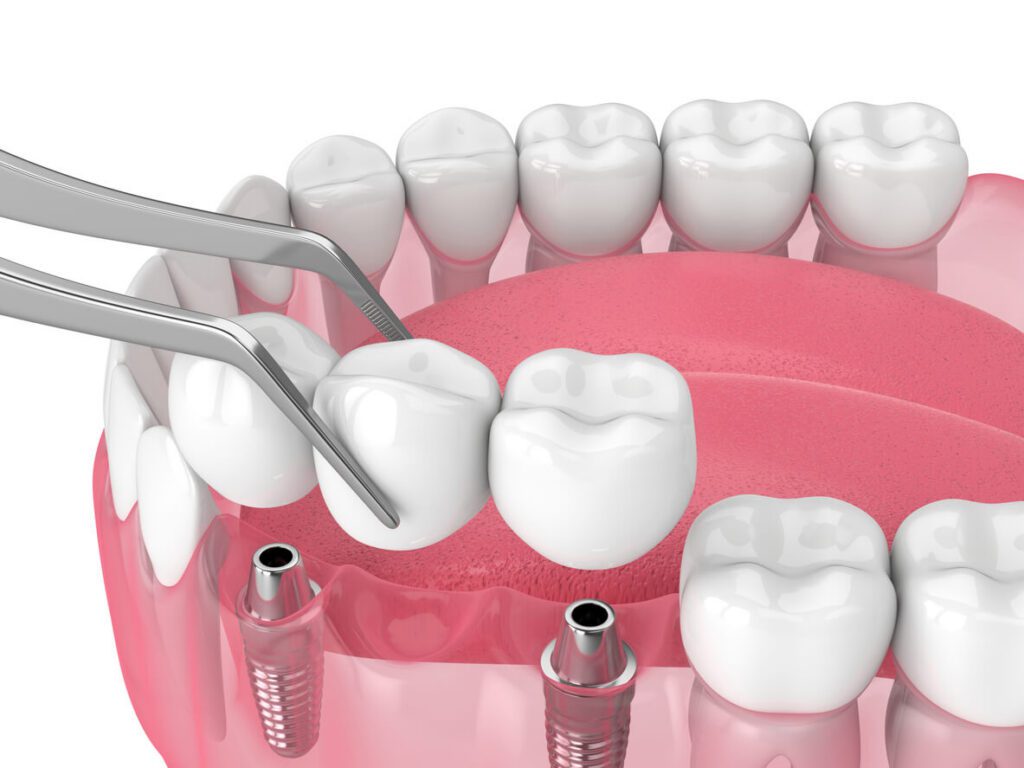
A dental implant is a small post, usually made of titanium or another biocompatible material, that is placed into the jawbone to act like an artificial tooth root. Once it heals and integrates with the bone, it can support a crown, bridge, or denture. That connection to the bone is what makes implants different from traditional tooth replacement options.
Think of it this way: a denture can sit on top of the gums like a rug over a floor, while an implant is more like driving a support beam into the foundation. The result is typically greater stability, better bite function, and less slipping or shifting when you eat or speak.
Dental implants can also help reduce bone loss. When a tooth is lost, the jawbone in that area no longer gets the same stimulation from chewing. Over time, the bone can begin to shrink. Implants help restore that stimulation, which is one reason they are often considered the gold standard for tooth replacement.
That said, not all implants are placed the same way. The three main types are generally categorized as endosteal implants, subperiosteal implants, and zygomatic implants. Each serves a different purpose and is used in different clinical situations.
1. Endosteal Dental Implants
Endosteal implants are the most common type of dental implant. If most people say they are getting a dental implant, this is usually what they mean. These implants are placed directly into the jawbone and serve as an artificial root for a crown, bridge, or implant-supported denture.
They are often shaped like small screws or cylinders and are designed to fuse with the bone during healing. That process, known as osseointegration, is what gives endosteal implants their strength. Once healed, the implant becomes remarkably stable, allowing it to support everyday biting and chewing with confidence.
Endosteal implants are typically a good option for patients who have enough healthy jawbone to support them. If the bone is too thin or too soft, a bone graft may be recommended first. That can sound intimidating, but in many cases it is simply part of preparing the site so the implant has a strong base, much like reinforcing the ground before setting a fence post.
These implants can be used in several ways. A single implant can replace one missing tooth. Multiple implants can support a bridge if several teeth are missing in a row. They can also anchor a full arch restoration, including solutions often called Teeth in a Day or All-on-4, depending on the treatment design.
For many patients, endosteal implants offer the most straightforward blend of function, aesthetics, and long-term durability. They are widely used because they are versatile, predictable, and effective when the jawbone is healthy enough to support them.
2. Subperiosteal Dental Implants
Subperiosteal implants are less common today than endosteal implants, but they still play a role in certain cases. Instead of being placed into the jawbone, subperiosteal implants sit on top of the bone but underneath the gum tissue. A metal framework is positioned beneath the gums, and posts extend upward to support the restoration.
This type of implant may be considered for patients who do not have enough jawbone for traditional implants and either cannot undergo bone grafting or prefer not to. In the past, subperiosteal implants were used more often when bone volume was limited. Today, advances in grafting and implant techniques have made endosteal implants possible for many patients who once might not have qualified.
Still, subperiosteal implants can be useful in select situations. They may offer an alternative when the anatomy of the jaw makes standard implant placement difficult. For someone with severe bone loss who wants more stability than a removable denture can provide, this option may become part of the discussion.
Because they rest on top of the bone rather than integrating into it the same way endosteal implants do, subperiosteal implants are not usually the first choice when other options are available. But dentistry is rarely one-size-fits-all. Sometimes the best treatment is not the most common treatment. It is the one that works safely and realistically for the person in the chair.
A thorough exam, imaging, and treatment planning are essential before recommending this type of implant. The decision depends on bone shape, gum health, medical history, and the goals of the restoration.
3. Zygomatic Dental Implants
Zygomatic implants are the least common of the three main types and are typically reserved for more advanced cases. Instead of being placed in the upper jawbone, these longer implants are anchored into the zygoma, or cheekbone.
Why would that be necessary? Usually because the upper jaw does not have enough bone to support traditional implants, especially in patients with significant bone loss in the posterior maxilla. In those cases, zygomatic implants can provide support without the need for extensive bone grafting in the upper jaw.
This is a more complex procedure and is generally performed in cases where conventional implant placement is not possible or would require major reconstruction. It is most often used for full-arch restoration in the upper jaw rather than for replacing a single tooth.
Zygomatic implants are highly specialized. They require advanced planning, detailed imaging, and a dentist or surgical team with specific training and experience. They are not the everyday answer for most people asking about implant options, but they can be life-changing for patients with severe upper jaw bone loss who want a fixed, stable smile.
For the right patient, zygomatic implants can open a door that once looked shut. If someone has been told they do not have enough bone for implants, it does not always mean implants are off the table entirely. It may simply mean the treatment plan needs a different route.
Which Type of Dental Implant Is Most Common?
For the vast majority of patients, endosteal implants are the most common and preferred option. They are widely used because they are dependable, adaptable, and supported by decades of clinical success. If you have healthy bone and good oral health, there is a strong chance this is the category your treatment would fall into.
Subperiosteal and zygomatic implants are generally considered when standard implant placement is not ideal due to bone limitations or anatomical challenges. These options are important, but they are more specialized and less frequently recommended.
This is where online searches can get a little muddy. Some articles discuss “types of implants” by placement method, while others talk about implant-supported restorations like single-tooth implants, implant bridges, and full-mouth implants. Both conversations are useful, but they are not exactly the same.
If you are asking what are the 3 types of dental implants, the classic answer refers to endosteal, subperiosteal, and zygomatic implants. If you are asking what implant treatment options are available to replace your teeth, the answer may also include different restoration styles built on top of those implants.
Other Implant Terms You May Hear
During a dental implant consultation, you may hear terms that sound like separate implant types but are really describing how the implants are being used. For example, a single dental implant replaces one missing tooth with one implant and one crown. This is often one of the most conservative and natural-looking options available.
An implant-supported bridge can replace multiple missing teeth in a row without placing an implant for every single tooth. Instead, a small number of implants support a bridge. This can be an efficient solution when several teeth are missing together.
You may also hear about full-mouth dental implants, All-on-4, or Teeth in a Day. These solutions use a strategic number of implants to support a full arch of replacement teeth. They are especially helpful for patients who are missing most or all of their teeth and want something more secure than a traditional denture.
At a practice like Kissimmee Family Dentistry, where comprehensive care is part of the philosophy, these conversations are usually not rushed. The goal is not just to identify a category. It is to understand the bigger picture: your bite, your comfort, your bone structure, your timeline, and the kind of result you want to live with every day.
How Dentists Decide Which Implant Type Is Right for You
Choosing the right implant type is not a guessing game. It is based on diagnostics, planning, and an honest conversation about what is happening in your mouth. Dentists typically evaluate the amount and quality of available bone, the location of missing teeth, gum health, bite alignment, and any medical factors that may affect healing.
Advanced imaging, such as 3D scans, helps show the thickness and density of the jawbone. This matters because implants need support. You would not hang a porch swing from rotted wood and hope for the best. In the same way, implant placement needs a stable foundation.
Lifestyle and goals also matter. Someone missing one front tooth has different priorities than someone struggling with a loose lower denture. One patient may want the most conservative option possible. Another may want a full smile transformation after years of dental breakdown or tooth loss.
That is why personalized treatment planning matters so much. The best implant recommendation is not just about what can be done. It is about what makes sense for your health, your comfort, and your long-term success.
Are You a Candidate for Dental Implants?
Many adults are potential candidates for dental implants, but eligibility depends on several factors. Healthy gums, sufficient bone support, and good general health all help improve the chances of successful treatment. Even if you have been told you have bone loss, that does not automatically mean implants are impossible.
Some patients benefit from preparatory procedures such as bone grafting, sinus lifts, or periodontal treatment before implants are placed. Others may qualify for alternative implant approaches that work around anatomical limitations. The only way to know for sure is through a professional evaluation.
Smoking, uncontrolled diabetes, and certain medical conditions can affect healing, but they do not always rule implants out completely. They simply mean planning needs to be more careful. A good dental team will walk you through the pros, limitations, and realistic expectations instead of handing you a generic answer.
For patients in Kissimmee looking for a long-term solution to missing teeth, that kind of individualized conversation can make all the difference. Getting dental implants is not just about replacing what is gone. It is about rebuilding comfort, confidence, and function in a way that fits your life.
Final Thoughts on the 3 Types of Dental Implants
So, what are the 3 types of dental implants? The three main types are:
- Endosteal implants
- Subperiosteal implants
- Zygomatic implants
Endosteal implants are the most common and are placed directly into the jawbone. Subperiosteal implants sit on top of the bone under the gums and may be used in certain cases with limited bone support. Zygomatic implants are anchored in the cheekbone and are typically reserved for more complex upper-jaw cases.
If you are exploring dental implants, the most important next step is not memorizing terminology. It is finding out which option fits your mouth, your health, and your goals. The right treatment plan should feel clear,
personal, and grounded in experience.
At Kissimmee Family Dentistry, patients are treated with the kind of care that values conversation as much as clinical skill. If you are considering dental implants in Kissimmee, whether for one missing tooth or a full smile restoration, scheduling a consultation is the best way to get answers tailored to you.
A missing tooth can feel like a small gap at first, but over time it can change the whole landscape of your mouth. The good news is that modern implant dentistry offers more than one path forward, and for many patients, that path leads back to eating comfortably, smiling freely, and feeling like themselves again.