
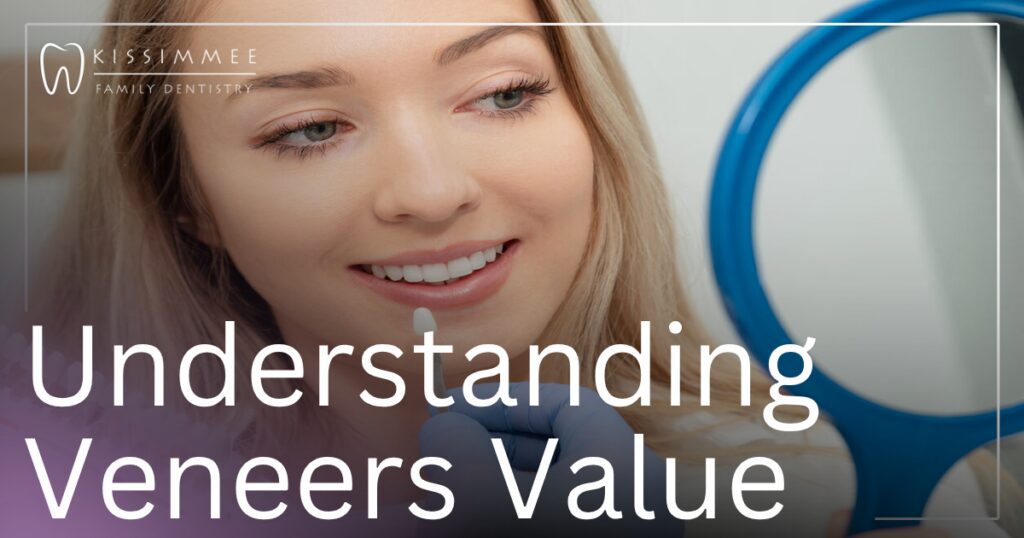
If you’ve ever caught yourself smiling with your lips closed in photos, tilting your head to hide one chipped tooth, or wondering whether whitening can only do so much, you’re not alone. A lot of people ask the same question before making any cosmetic change: are veneers worth it?
The honest answer is that veneers worth depends on what you want to fix, how long you want the results to last, and whether your teeth and gums are healthy enough for treatment. For the right person, veneers can create a dramatic cosmetic improvement that feels natural, polished, and lasting. For the wrong person, they can be an expensive shortcut to a problem that really needs a different solution.
At a practice built on trust, comfort, and personal care, that distinction matters. Veneers should never be sold like a one-size-fits-all accessory. They’re a real dental treatment, and the best results come from thoughtful planning, careful tooth preparation, and an experienced cosmetic dentist who looks at your smile as part of your overall oral health.
What Are Dental Veneers?
Dental veneers are thin coverings bonded to the front surface of teeth to improve the appearance of your smile. They are often used on front teeth and are designed to correct cosmetic concerns such as chips, uneven tooth shape, gaps, discoloration, or worn edges.
Think of veneers as custom made shells for teeth that have good roots and healthy support but need a more refined outer appearance. They do not replace the whole tooth. Instead, they enhance the visible front surface while preserving as much natural tooth structure as possible.
Why People Choose Veneers in the First Place
Most patients do not wake up one day and randomly decide on veneers. Usually, there is a buildup of small frustrations. One tooth looks shorter than the others. The enamel has darkened over time. A childhood chip is more noticeable now than it used to be. Teeth whitening helps a little, but not enough.
Veneers may be appealing because they can address multiple cosmetic concerns at once. Instead of chasing one issue with whitening, another with dental bonding, and another with orthodontic treatment, veneers offer a more comprehensive smile makeover for selected cases.
Are Veneers Worth It for Cosmetic Improvement?
For many patients, yes, are veneers worth it becomes an easy question to answer once they understand the scope of change possible. Veneers can improve color, contour, symmetry, spacing, and tooth shape in a way that often looks more balanced than isolated patchwork fixes.
This is one reason veneers are so popular in cosmetic dentistry. If you have stained teeth chipped edges, small gaps, or misshapen teeth, veneers can create a cleaner, more intentional look. They are especially useful when multiple aesthetic concerns sit side by side and make the whole smile feel tired or uneven.
What Veneers Can Fix
Veneers are often recommended for discolored or stained teeth that do not respond well to whitening products. Some teeth are deeply stained from medication, trauma, old dental work, or enamel changes that simple teeth whitening cannot fully lift.
They can also help with cosmetic imperfections like worn edges, small cracks, uneven lengths, slight spacing issues, and teeth that look too narrow or too rounded. When a patient wants a brighter smile without looking artificial, custom veneers can be designed to complement facial features, lip line, and the natural rhythm of the smile.
What Veneers Cannot Fix
Veneers are not a cure-all. If a patient has active gum disease, untreated decay, major bite problems, or severely weakened teeth, veneers may not be the right starting point. You need healthy teeth and gums before a cosmetic treatment can be expected to last.
Veneers also do not replace orthodontic treatment in every case. If teeth are significantly crowded, rotated, or out of alignment, moving them first may create a better long-term result. In some situations, Invisalign treatment options make more sense before considering veneers.
Porcelain Veneers vs Composite Veneers
When people ask are veneers worth it, they are usually talking about porcelain veneers, but there are two common categories to understand: porcelain veneers and composite veneers.
Porcelain veneers are lab-made restorations created after detailed planning and tooth preparation. Composite veneers are sculpted from composite resin, often directly on the tooth in the office. Both can improve cosmetic concerns, but they differ in durability, stain resistance, and overall refinement.
Why Porcelain Veneers Are Often Considered the Premium Option
Porcelain veneers are known for their strength, lifelike translucency, and stain resistance. Unlike natural enamel, which can pick up discoloration over time, quality porcelain is more stain resistant against coffee, tea, red wine, and everyday wear.
Traditional porcelain veneers also tend to hold their shape and polish longer than composite veneers. That matters if you want a permanent solution that stays crisp-looking year after year. Porcelain veneers can last a long time with proper care, which is a major reason many patients feel veneers worth the investment.
Where Composite Veneers Fit In
Composite veneers can be a good option for smaller cosmetic concerns, limited budgets, or patients who want a more conservative cosmetic treatment. They usually involve less time and may require less tooth reduction than traditional porcelain veneers.
That said, composite resin is generally more prone to staining and wear. Composite veneers may need more maintenance and touch-ups over time. For someone seeking a long-lasting smile makeover with maximum stain resistance and a highly natural looking finish, porcelain or composite resin usually does not feel like an equal comparison.
So, Are Porcelain Veneers Worth It Specifically?
In many cases, yes. If your goals include a brighter smile, improved tooth shape, and a durable result that blends well with real teeth, porcelain veneers are often worth serious consideration. They can solve several cosmetic concerns in one treatment plan rather than forcing you into piecemeal fixes.
Porcelain veneers can last many years when placed correctly and maintained well. The key phrase there is placed correctly. The dentist’s expertise matters enormously, from evaluating bite pressure to selecting shade and contour to deciding how much natural enamel should be preserved.
The Tradeoff: Veneers Usually Require Enamel Removal
Here is the part patients deserve to hear clearly. Veneers often require removing a small amount of enamel from the front surface of the tooth. That small amount of enamel creates room so the restoration does not look bulky or feel oversized.
Because natural tooth enamel does not grow back, veneer placement is generally considered irreversible. This is why the question are veneers worth it should never be answered casually. You are making a long-term decision about your natural teeth, and the planning needs to be just as serious as the aesthetic goals.
How Much Tooth Reduction Is Needed?
Not every case requires the same level of tooth preparation. Some patients need minimal tooth reduction, while others need more tooth reduction to correct projection, overlap, or bulky contours. The amount depends on your starting point, bite, and final design.
A careful approach aims to preserve natural tooth structure while still creating a natural looking result. Removing a small amount of enamel can be appropriate. Removing too much can compromise the tooth unnecessarily. That is one more reason to work with an experienced cosmetic dentist rather than shopping veneers like a retail product.
What the Veneers Process Looks Like
A veneer consultation usually starts with a conversation, not a sales pitch. Your dentist should ask what bothers you, what you like about your smile, and what kind of result feels right for your face and personality. Some people want dramatic white teeth. Others want something softer and more believable.
After that, the exam focuses on dental health, bite, gum condition, and whether veneers may be the best fit. Photos, scans, and records help create custom veneers that match the patient rather than forcing the patient to fit a trend.
Step One: Planning and Smile Design
At the initial appointment, the dentist evaluates your teeth and gums and discusses goals in detail. This stage is where many patients realize veneers are not really about “perfect” teeth. They are about proportion, harmony, and fixing the things that pull attention in the wrong direction.
The best plans account for facial features, lip movement, the position of the front teeth, and how the smile looks in motion. A beautiful smile makeover is not just about making teeth whiter. It is about making them look like they belong to you.
Step Two: Tooth Preparation and Temporary Veneers
If you move forward, the next step often includes tooth preparation. A small amount of enamel is reshaped on the front surface of teeth so the final veneers fit properly. Impressions or digital scans are then used to create custom made coverings in the dental lab.
Temporary veneers may be placed while the final restorations are being made, often for a few weeks. Temporary veneers let patients preview the look and protect the prepared teeth before the final veneer placement.
Step Three: Final Veneer Placement
Once the custom made shells are ready, your dentist checks fit, color, contour, and bite before bonding them into place. This part is more precise than people expect. Tiny changes in length or angle can affect speech, comfort, and the appearance of your smile.
When done well, veneers offer a polished result that still feels natural. The goal is not “fake teeth.” The goal is healthy-looking, natural looking teeth that photograph well, function well, and do not distract from the rest of your face.
Are Veneers Worth It Compared to Teeth Whitening?
Sometimes no. If your teeth are generally straight, healthy, and well-shaped, but simply darker than you want, teeth whitening may be the better first step. Veneers should not be the automatic answer to every smile complaint.
Whitening can be especially useful when the issue is mostly surface discoloration rather than shape or structure. If you are weighing that route first, it can help to understand professional whitening costs and options. Many patients discover they do not need veneers after all, while others use whitening as a stepping stone before treating a few stubborn teeth.
Are Veneers Worth It Compared to Dental Bonding?
Dental bonding can be a smart alternative for minor chips, small gaps, or localized cosmetic imperfections. It is more conservative and usually less expensive than veneers. In the right case, bonding is practical and effective.
But dental bonding does have limitations. It may stain more easily, chip more readily, and lose polish faster than porcelain veneers. If you want a broader smile makeover or need a solution for multiple cosmetic concerns, veneers may provide a more stable and refined result.
Are Veneers Worth It if You Grind Your Teeth?
Maybe, but this is where caution matters. If you grind your teeth or clench heavily, veneers may still be possible, but the risk of damage is higher without protection. Bite forces can chip porcelain, wear edges, or loosen restorations over time.
Patients who grind your teeth often need a nightguard and a careful bite evaluation before moving forward. If you grind your teeth and ignore it, even excellent veneer placement can be put under stress. Hard foods, chewing ice, and even habits like opening packages with your teeth can shorten the life of veneers.
How Long Do Veneers Last?
This is one of the biggest factors in whether veneers worth the cost. Porcelain veneers can last 10 to 15 years or longer in many cases, especially with proper maintenance, a stable bite, and regular dental visits. Composite veneers typically have a shorter lifespan and may need earlier repair or replacement.
No dental work lasts forever, but longevity improves with proper care. That means brushing well, flossing, seeing your dentist regularly, avoiding chewing ice, and not using your teeth for jobs they were never meant to do, like tearing tape or opening packages.
Do Veneers Look Natural?
Good veneers do. Bad veneers announce themselves from across the room.
Natural looking veneers depend on shade selection, surface texture, translucency, and shape. The best porcelain veneers do not look flat, chalky, or oversized. They mimic the subtle variation seen in natural teeth while still correcting the flaws that bothered you in the first place.
Are Veneers Bad for Your Natural Teeth?
That question comes up for good reason. Veneers are not inherently bad for natural teeth, but they do involve permanent changes. Because a small amount of enamel is removed, you are committing to a restoration path for those teeth.
When veneers are placed on healthy teeth and gums, designed conservatively, and maintained with proper care, they can coexist very well with long-term oral health. Problems usually arise when treatment is rushed, cases are poorly selected, or underlying gum disease and bite issues are ignored.
Who Is a Good Candidate for Veneers?
The best candidates usually have healthy teeth and gums, realistic expectations, and cosmetic concerns affecting the visible smile zone. That may include discolored or stained teeth, misshapen teeth, worn edges, small gaps, or multiple cosmetic concerns that make the smile feel uneven.
Good candidates also understand that veneers are a cosmetic treatment, not magic. They improve the appearance of your smile, but they still require maintenance, planning, and commitment. People looking for a shortcut without proper care are often disappointed.
Who May Need a Different Treatment First?
If you have active gum disease, untreated cavities, unstable bite issues, or significant crowding, your dentist may recommend other care before veneers. Healthy teeth and gums come first. Cosmetic work lasts longer on a healthy foundation.
For some patients, a broader cosmetic dentistry treatment plan may include whitening, bonding, Invisalign, or crowns instead of veneers, or before veneers. The right answer depends on your dental needs, not on what is trending online.
What About Cost and Insurance?
Veneers cost more than whitening or dental bonding, especially when using porcelain veneers made by a quality lab. That is one reason people hesitate over the question are veneers worth it. Cost matters, and it should.
Most dental insurance plans and most dental insurance plans tied to standard preventive coverage do not fully cover veneers because they are usually considered elective. Still, every policy is different, and some dental insurance plans may offer limited benefits when restorative needs overlap with cosmetic goals. It is worth reviewing benefits and financing options before deciding.
Why the Dentist’s Skill Matters So Much
Veneers are not just about materials. The dentist’s expertise may be the difference between a result that looks elegant and one that looks manufactured. Planning, bite analysis, tooth preparation, and communication with the lab all matter.
An experienced cosmetic dentist knows when to recommend veneers and when to steer a patient elsewhere. That restraint is part of quality care. If every smile gets the same bright, blocky blueprint, something has gone wrong.
Questions to Ask at a Veneer Consultation
If you are seriously considering veneers, ask what problems they are solving and whether simpler options would work first. Ask how much natural enamel will be removed, whether temporary veneers will be used, and what kind of maintenance to expect.
You should also ask how the final design will suit your face, bite, and long-term dental health. A good consultation should feel like a conversation about solutions and possibilities, not pressure. Many patients feel more confident when the process is clear and tailored to them.
So, Are Veneers Worth It in the End?
For the right patient, yes, veneers may absolutely be worth it. They can create a dramatic cosmetic improvement, restore confidence, and deliver a brighter smile that still looks believable. If you have multiple aesthetic concerns and want a more complete smile makeover, porcelain veneers often provide a durable and attractive answer.
But veneers worth is never just about appearance. It is about whether the treatment fits your goals, your bite, your habits, your budget, and your long-term oral health. The best veneer decision is not the fastest one. It is the one made carefully, with healthy teeth and gums, realistic expectations, and a dentist who treats your smile like it belongs to a real person, not a template.
If you are in Kissimmee and weighing your options, the smartest first step is a personalized consultation. Veneers may be the right choice, or they may be one piece of a larger plan. Either way, clarity beats guessing every time.